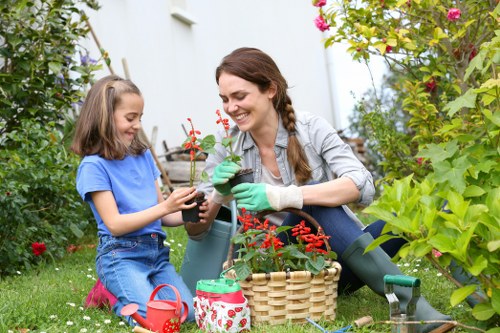
Recycling and Sustainability at Gardeners Gipsy Hill
Gardeners Gipsy Hill champions an eco-first approach to community gardening, waste handling and resource reuse. Our sustainable rubbish gardening area and the eco-friendly waste disposal area are designed to reduce landfill, cut carbon and keep soil healthy. We combine practical on-site sorting with neighbourhood partnerships to create a circular model for garden materials.
Our Eco-Friendly Waste Disposal Area
The site features clearly labelled bays for green waste, wood, inert materials and mixed recycling, following the boroughs' approach to waste separation that encourages separation of food, garden and dry recyclables at source. Our on-site systems make it easy for both volunteer gardeners and local residents to deposit compostable cuttings, shredded prunings and clean soil separately from plastics, glass and metals. We have set a measurable target: a 75% recycling rate across all Gardeners Gipsy Hill operations within three years, with interim milestones of 60% by the end of year one and 68% by year two. These targets cover garden-derived materials, packaging from donated supplies and what we collect during site clearances. Tracking is transparent and based on weight-sorted streams so progress is clear and verifiable.
Sustainable Rubbish Gardening Area
The sustainable rubbish gardening area is laid out to prioritise reuse and regeneration. Compost bays turn green waste into soil-improving matter; wood chipping creates pathways and mulch; and broken pots or clay go to reuse or recycling contractors. Where possible, we keep materials local to reduce transport-related emissions and support a low-carbon circular economy.
Partnerships, Charities and Community Reuse
We work closely with local charities and community organisations to divert useful items from waste streams. Donations of plant pots, tools and surplus soil are redistributed to community projects and charities that repurpose materials for social projects. Our model emphasises collaboration with third-sector partners so that usable goods have a second life rather than entering landfill.Local transfer stations are a vital link in our logistics chain. Gardeners Gipsy Hill uses nearby municipal transfer stations and permitted recycling depots in the surrounding boroughs to ensure materials that can’t be processed on site are handled responsibly. These transfer stations provide sorting, bulking and onward transport to composting facilities, wood processors and municipal recycling centres. By consolidating loads, we reduce the number of journeys and the overall carbon footprint of materials leaving the site.

Low-Carbon Fleet and Sustainable Collections
To support our waste reduction goals we operate a fleet of low-carbon vans and share EV cargo bikes for inner-neighbourhood collections. Our vehicle strategy includes:- Electric vans for short-distance collections and charity drop-offs
- Hybrid support vehicles for heavier loads or longer trips to transfer stations
- Route optimisation software to limit mileage and emissions
Practical on-site actions include mechanical shredding for high-volume green waste, secure dry-recycling lockers for plastics and glass, and covered compost bays to manage moisture and speed decomposition. We also maintain a separate area for treated timber and non-recyclable residues to prevent contamination of clean green streams. These practices follow recommended borough separation standards while remaining tailored to the need of local garden-scale operations.

Measuring Impact and Next Steps
We report progress against our recycling percentage target and other sustainability KPIs on an annual basis, measuring both tonnes diverted and carbon saved. Our short-term objectives include increasing the diversion of mixed garden waste from landfill by converting more material to compost, boosting donations to partner charities and increasing the proportion of collections completed by low-emission vehicles.What gardeners and neighbours can expect
- Clear signage and on-site volunteers to help with correct sorting
- Accessible drop-off times aligned with local transfer station schedules
- Opportunities to donate reusable gardening items to charity partners
Long-term vision: to embed circular practices so that the Gardeners Gipsy Hill site operates as a small-scale hub for resource recovery in the neighbourhood. By coordinating with borough waste separation schemes and local transfer stations, and by investing in EV and low-emission transport for collections, we aim to both reduce environmental impact and set a replicable model for community gardening groups.
Join our sustainable effort—whether you’re a volunteer gardener, a local community group, or a charity partner, there are many ways to contribute to a greener Gipsy Hill. Together we can keep more material in use, reduce emissions from garden waste handling and ensure the area around Gardeners Gipsy Hill remains vibrant, healthy and resource-efficient for years to come.

